When the old tile stops doing its job
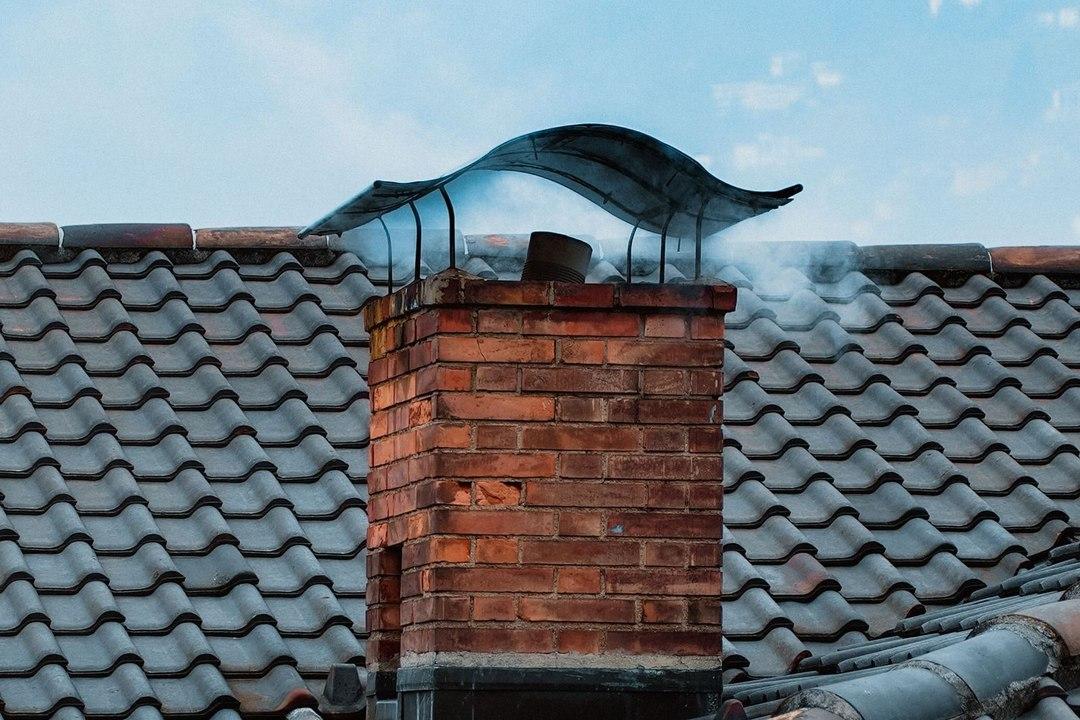
Many brick chimneys around Lakewood were built with a flue of square clay tiles stacked one on top of the next, with mortar in the joints. For decades that tile does quiet work: it keeps smoke inside a smooth channel and keeps the heat of the fire off the brick and the wood around it. When the tile cracks, a joint opens or a section falls away, smoke and heat start finding their way into places they were never meant to go, and the fire draws less well because the channel is no longer smooth or sealed.
A new liner fixes that. It is a continuous channel, usually stainless steel, set inside the old flue from the appliance or the smoke chamber to the top. For the clean-burning work we do, it matters twice over: every insert and wood stove needs one sized to its outlet, and an open fireplace with a broken flue smokes more and wastes more of its fuel than one with a sound flue.
This post covers how we price that work, why the price is not published on this site, and what the written scope lists.
Why there is no single liner price
We publish prices for jobs that look much the same from house to house. Relining is not one of them. One chimney in Lakewood might be a single story stack with a straight flue; another two streets over might be a two story chimney with a bend halfway up and a smoke chamber that has to be rebuilt before anything can pass. A range wide enough to cover both would tell you nothing.
So every relining job at McCoy Chimney Services starts with the camera, and the price comes on a written scope once we have seen the flue from end to end. The camera survey, a Level 2, is $400. If the flue is badly coated, we sweep it first, from $430, so the camera shows the tile and not the soot.
The choices that move the total
These are the questions the scope answers, and each one changes the figure.
- What the liner serves. A gas insert vents through a smaller pipe than a wood stove or wood insert. An open fireplace that will keep burning wood may need a large liner or a cast-in-place lining instead of steel.
- How tall the chimney is. More height means more liner, more time on the roof and sometimes extra rigging.
- How straight the flue runs. A straight flue takes a liner in a single pass. Bends and offsets need flexible liner and more care getting it past each turn.
- Whether insulation is needed. Where the chimney sits close to framing, or where the appliance maker asks for it, the liner gets a jacket of insulation along its length.
- What sits at the bottom. The connection to an insert, stove or fireplace damper area, and any work in the smoke chamber to make room for it.
- What sits at the top. A new top plate, a cap matched to the liner and any repair to the crown it sits on. A cap alone is quoted on site. Size, metal and the number of flues set the price.
Ask for a relining scope with the form on this page. Mention the appliance on that flue today, the fuel you want to use next, and how many floors the home has, and we book the camera survey that the scope is built on.
Steel or cast-in-place
For most of the inserts and stoves we fit, the answer is a stainless liner. It is light, it goes in from the roof, and it suits the narrow exhaust stream of a closed appliance.
For some open masonry fireplaces, a cast lining is the better fit: a form is set inside the old flue and a heat proof mix is pumped in to build a new smooth wall, which also stiffens the chimney a little. It suits large or odd shaped flues where steel would be a poor match. The scope says which we recommend and why, and the price of each when both are reasonable choices.
What you receive
The scope lists the liner type and diameter, its length, insulation if any, the work at the top and bottom, the cap, and the total. It comes with the camera footage and photos, so you can see the cracks or open joints we are pricing. If the survey found a crown or flashing problem nearby, that is a separate line, so you can decide on each piece.
When the liner is in, we run the appliance with you in the room, check that it draws cleanly and that no smoke spills, and send a short note with photos of the finished top.
Signs your flue may need it
People usually call us about relining for one of these reasons:
- an insert or stove is planned, and the old flue is not the right size for it;
- an earlier inspection reported cracked tile or open joints;
- smoke spills into the room even with the damper fully open;
- there was a chimney fire, or a loud roaring sound and flakes of creosote on the roof after a fire;
- the house went through the 1994 quake and the chimney has never been looked at with a camera since.
Our chimney liner installation page describes the work, and the Lakewood area page shows the neighborhoods we cover. If the liner is part of an insert plan, our post on the cost of a fireplace insert has the figures for the appliance.
Start with the survey
If your flue might need a liner, write to us through the contact page. We will book the camera, show you what it finds, and put the relining scope in front of you before any decision is made.
Want a Price for Your Own Fireplace?
McCoy Chimney Services looks at the fireplace or stove, tests the draft and checks the flue before giving a price. Book through the contact page from Lakewood, Bellflower, Long Beach, Lynwood or a town nearby.