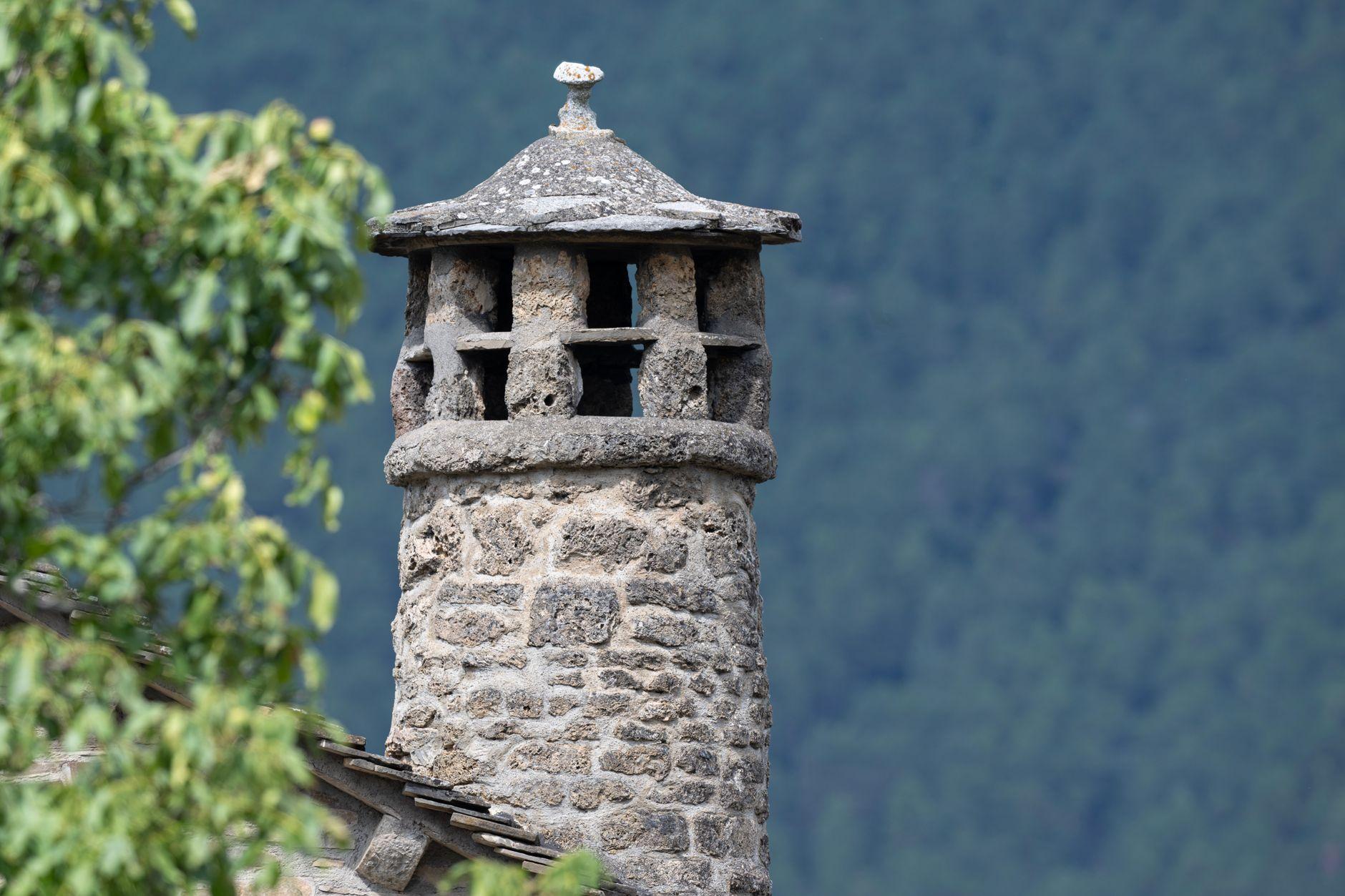
A dirty flue is a smoky flue
A chimney that has not been swept in a while does not only carry a fire risk. It draws badly. Soot and creosote narrow the flue and roughen its walls, so the smoke climbs slowly, cools on the way up and drops part of its load back into the room when a door opens or the wind shifts. People in Lakewood often describe it the same way: the fire seemed fine, but the curtains and the sofa smelled of it for days.
A sweep is the cheapest thing you can do to make a wood fire burn cleaner, and it is the job we are asked to price most often. Here is what we charge, what the visit includes and which homes end up paying more than the starting figure.
The price
A sweep at McCoy Chimney Services runs from $430 for one flue. That figure covers a single fireplace or stove with a flue we can reach and work without special rigging, and it includes the written notes you get at the end.
| Visit | Price |
|---|---|
| One flue swept, with notes on what we saw | from $430 |
| Look at the whole system, inside and out (Level 1) | $56 |
| Camera record of the full flue (Level 2) | $400 |
Many people book the sweep and the Level 1 on the same visit, because the person holding the brush is already at the firebox and on the roof. The camera survey is a separate step, and we suggest it only when the sweep turns up something that a light and a mirror cannot settle.
What pushes a sweep above the starting figure
These are the things that move a sweep past $430. We tell you which apply when you book, so the figure on the day is not a surprise.
- A second flue. A house with a fireplace in the living room and a wood stove in the garage, or a fireplace on each side of a shared chimney, has two flues to clear. Each is its own sweep.
- Heavy deposits. Light, dry soot brushes out. The thick, tarry layer that builds up from slow, smoky fires needs more passes and sometimes a second visit with heavier tools, and we price that on paper before it starts.
- A stove or insert in the way. A wood stove pipe or an insert has to be disconnected or pulled forward so the brush can pass, then refitted and checked.
- Roof and height. A tall two story stack, a steep tile roof or a chimney that can only be reached from one awkward side takes more setup.
- Animals and debris. A bird nest or a winter of leaves at the smoke shelf comes out before the brushing starts.
Book a sweep with the form on this page. Mention whether the fireplace burns wood, has a stove or insert, and how many flues the chimney holds, and we come back with the price for your house before the visit.
What the visit looks like
Drop cloths protect the hearth and nearby flooring, plastic closes off the firebox face, and a HEPA vacuum stays on from start to finish, so loosened soot lands in its canister instead of your living room. The flue is brushed from the bottom, the top or both, depending on the chimney. The smoke shelf, the damper area and the firebox are cleared by hand.
On the way out we look at the cap, the top of the crown and the area around the damper, and the notes say what we found. Most of the time the answer is simple: swept, nothing to report. When it is not, the note says what the item is, why it matters for how the fire burns, and whether it needs attention before the next fire or can wait.
How often a Lakewood fireplace needs it
The honest answer depends on how you burn. A household that lights two or three fires a winter with dry, split hardwood may go a couple of seasons between sweeps. A household that burns most evenings, uses green or soft wood, or keeps the fire low and smoky for hours builds deposits fast and should be swept every year. NFPA 211, the national code for chimneys and vents, calls for a chimney to be looked at once a year and swept when the deposits call for it, which is a fair rule of thumb.
The clean-burning point is that the habits that coat a flue are the same habits that send smoke over the fence. Dry wood, small hot fires and an open air control on startup make less soot and less smoke at once. When we leave, we tell you plainly which of those would help your fireplace most.
No-burn days and the sweep
Lakewood sits inside the South Coast air district, and on stagnant winter days the district bans wood burning across the basin under Rule 445. Those days fall in the same cold months when people want a fire most. A swept flue does not change the rule, but it does mean that on the days you can burn, your fire puts out less smoke than it otherwise would. If those bans keep catching you out, our post on gas versus wood inserts looks at the change that sidesteps them.
Choosing a sweep
Ask how the price is set before the visit, and whether a second flue or a stove adds to it. Ask how they keep soot out of the room. Ask what you get in writing at the end. A company that can answer those three plainly has a method. Our chimney sweep page and the Bellflower and Long Beach area pages show where we work.
Book it
When the fireplace is next on your list, send a line through the contact page and we will offer a time to sweep it and tell you what we see.
Want a Price for Your Own Fireplace?
McCoy Chimney Services looks at the fireplace or stove, tests the draft and checks the flue before giving a price. Book through the contact page from Lakewood, Bellflower, Long Beach, Lynwood or a town nearby.