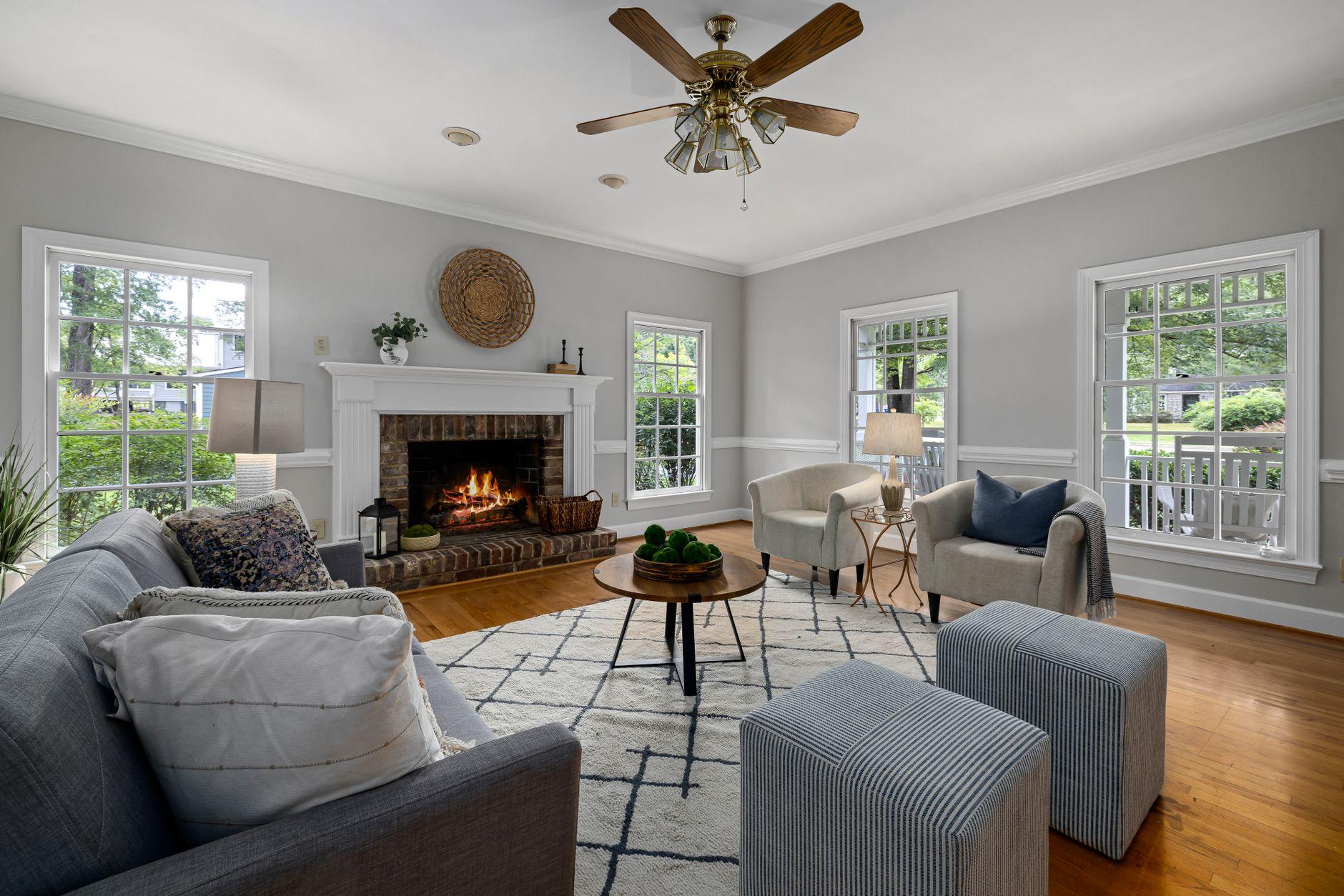
Two ways to close the opening
Owners who come to us about a smoky open fireplace usually settle on an insert fairly quickly. The harder choice comes next: gas or wood. Both put a sealed box with a glass door inside the old masonry firebox, both run a new liner to the chimney top, and both cut the smoke a fireplace sends into the room and down the street by a wide margin. They differ in how they feel to live with, what they cost, and how the air rules in Los Angeles County treat them.
This is how we lay out the choice for households in Lakewood and nearby, with the figures we publish and the parts that go on a written scope.
Side by side
| Question | Gas insert | Wood insert |
|---|---|---|
| Our price | $2,850 to $5,750, fitted with its liner | Written scope after the flue survey |
| Smoke at the chimney top | Next to none once lit | Low when burned well, more when the wood is wet |
| Usable on a Rule 445 burn ban | Yes | No |
| Fuel | Utility gas, nothing to store | Dry split wood, stacked and kept under cover |
| Yearly upkeep | A service check of burner, pilot and glass | A sweep, from $430, plus seals and firebrick over time |
| Power cut | Many units still light on a standing pilot | Burns as normal |
How each one burns
A gas insert burns a fuel that is clean to begin with. When it is set up right, the exhaust is mostly water vapor and carbon dioxide, and the flame looks the same on the first evening as on the hundredth. You press a button or turn a knob and the room warms. There is no ash to carry out and nothing to dry or split.
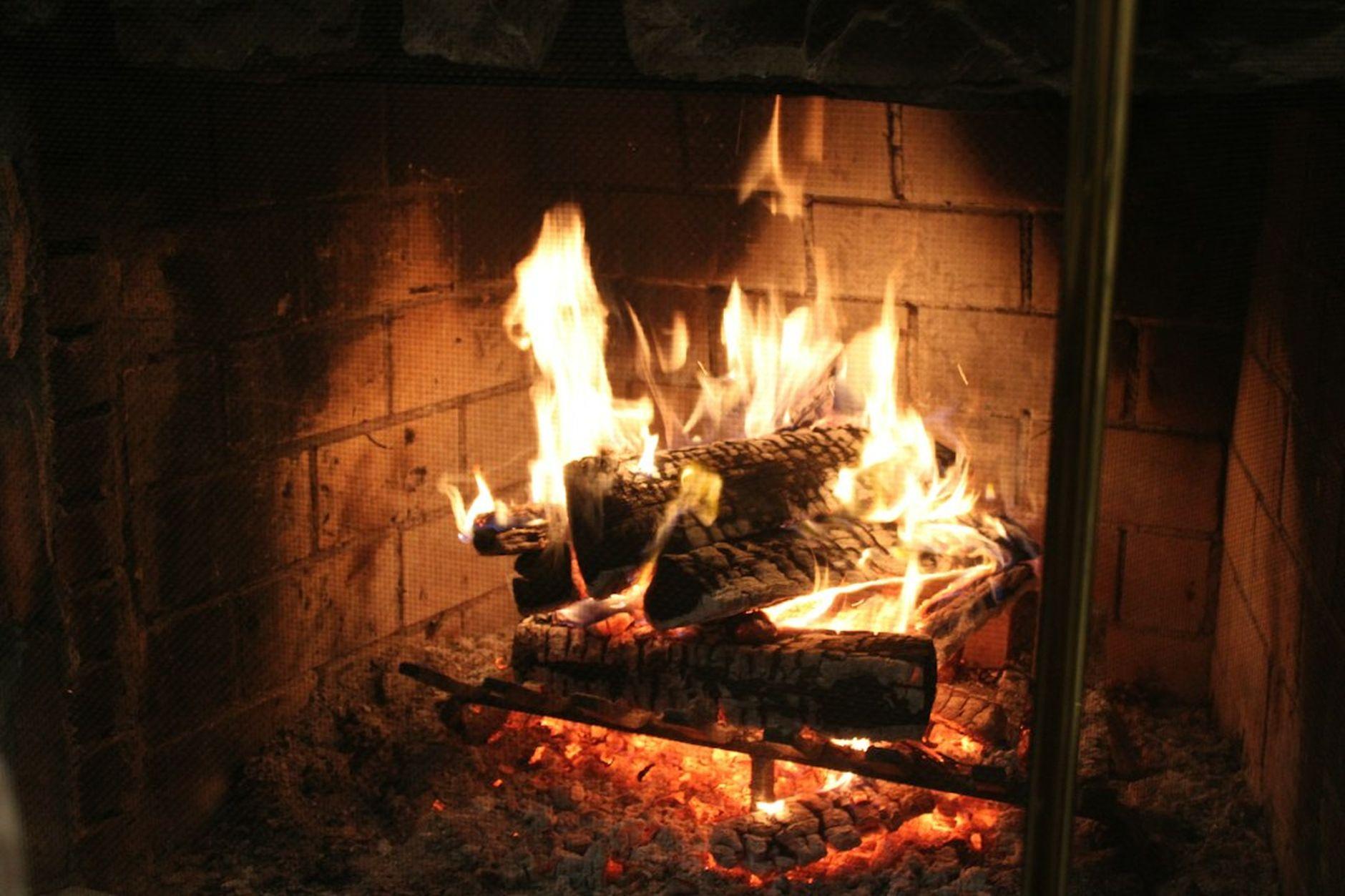
A wood insert burns the fuel you give it, and the result depends heavily on that fuel and on the person loading it. A modern wood unit built to the EPA's current smoke limits holds the fire in a closed box and burns the smoke a second time above the flames, so a load of dry hardwood burned with the air open on startup leaves the chimney top nearly clear. A load of damp wood shut down low for the night does the opposite. It smolders, coats the liner and pushes a gray plume over the neighbors' yards. Owners who choose wood need to be willing to buy or season wood properly and to burn it hot.
Rule 445 and the winter calendar
Lakewood, Bellflower, Lynwood and Long Beach all sit inside the South Coast air district. On winter days when cold, still air traps smoke over the basin, the district can forbid burning wood for that day under Rule 445, and the ban covers wood inserts and stoves as much as open fireplaces. Gas appliances are not part of those bans.
Those days come in the same months when a fire is most welcome. For many of our clients that settles the question: a gas insert can be lit any evening it is cold enough to want it, while a wood insert sits dark on exactly the nights the air is worst. If a real wood flame matters to you, a wood insert is still a good choice, as long as you go in knowing it will share the calendar with the district.
What each one costs to put in
A gas insert at McCoy Chimney Services runs $2,850 to $5,750 with its liner. Where you land depends on the size and features of the unit, the height of the chimney the vent pipe has to climb, whether gas already reaches the hearth, and how much trim the opening needs.
A wood insert is priced on a written scope. The appliance itself can cost about the same as a gas unit, but the venting is heavier: a full stainless liner sized to the outlet, protection where the chimney passes close to framing, and often a hearth extension deep enough for the door. No gas line is needed, which takes some cost back off.
For a home where the old chimney is not worth saving, or where the fireplace should move to another wall, a sealed gas unit vented straight out through the side of the house is a third option. Ours run $4,600 to $9,250, and that route skips the masonry entirely.
What decides it for your house
These are the questions we walk through with each client, and they decide which quote you should ask for.
- Does gas reach the fireplace wall now, and is the pipe large enough for an insert's burner?
- How often do you want a fire, and on which nights?
- Do you have dry storage space for a winter of split wood?
- Is anyone in the house bothered by smoke or by ash dust?
- What does the flue look like inside? A Level 2 camera survey, $400, answers that before either unit is ordered.
Ask for a side by side quote with the form on this page. Say whether gas is already piped to the hearth and how many evenings a week you picture using it, and we book a visit to measure the firebox and run the camera, then write both options on one sheet if you want to compare them.
The flue survey comes first either way
Whichever fuel you choose, the new liner runs inside the chimney you already have. A Level 2 survey shows the state of the flue tile, the smoke chamber and the joints before money goes on an appliance. Our post on the Level 2 before an insert explains what we look for, and our fireplace inserts page describes the work itself.
Our view
We do not push one fuel over the other. For most households in our part of Los Angeles County, gas makes more sense: it is cleaner at the chimney top, it is usable on burn ban days, and it asks less of you. For a household that loves a wood fire and will burn it well, a modern wood insert is a fine appliance and far kinder to the street than an open hearth.
Talk it through
When you are ready to compare the two for your own fireplace, write to us through the contact page and we will set up a time to measure, look up the flue and price whichever route you lean toward.
Want a Price for Your Own Fireplace?
McCoy Chimney Services looks at the fireplace or stove, tests the draft and checks the flue before giving a price. Book through the contact page from Lakewood, Bellflower, Long Beach, Lynwood or a town nearby.