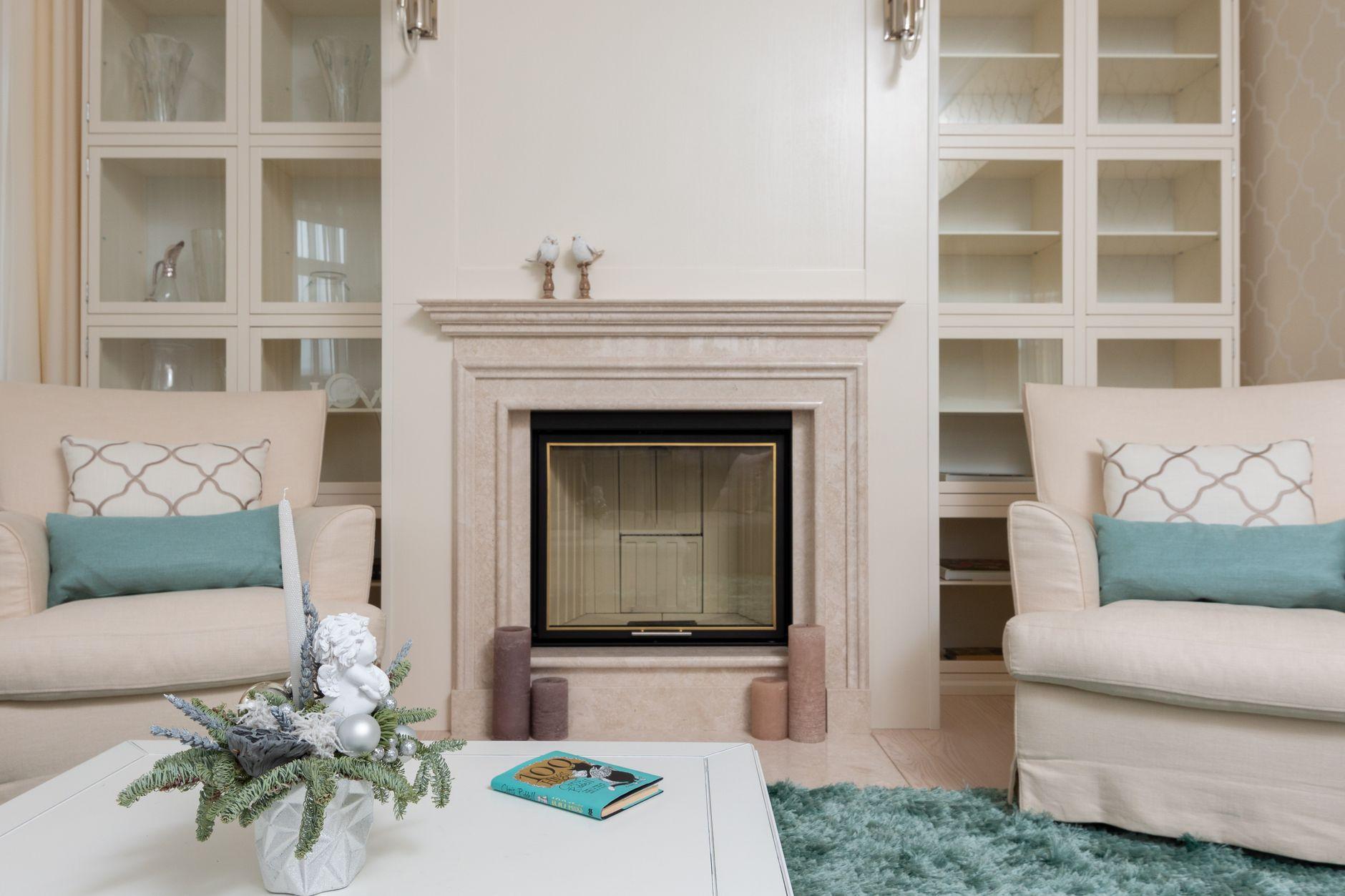
The appliance changes, so the chimney has to be checked
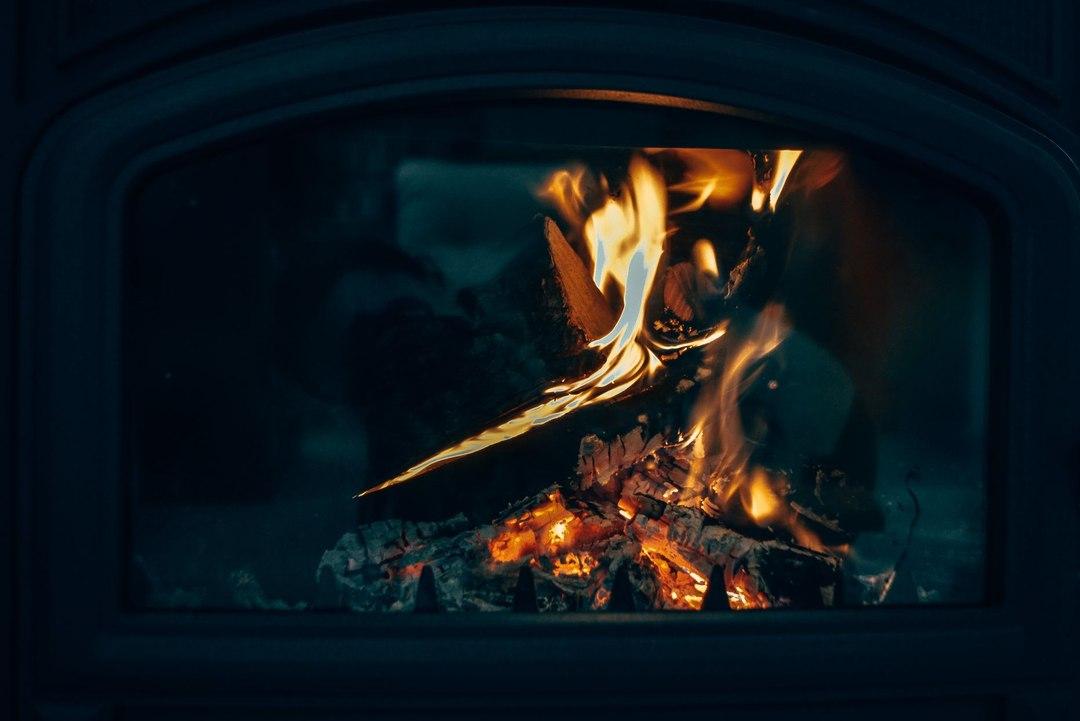
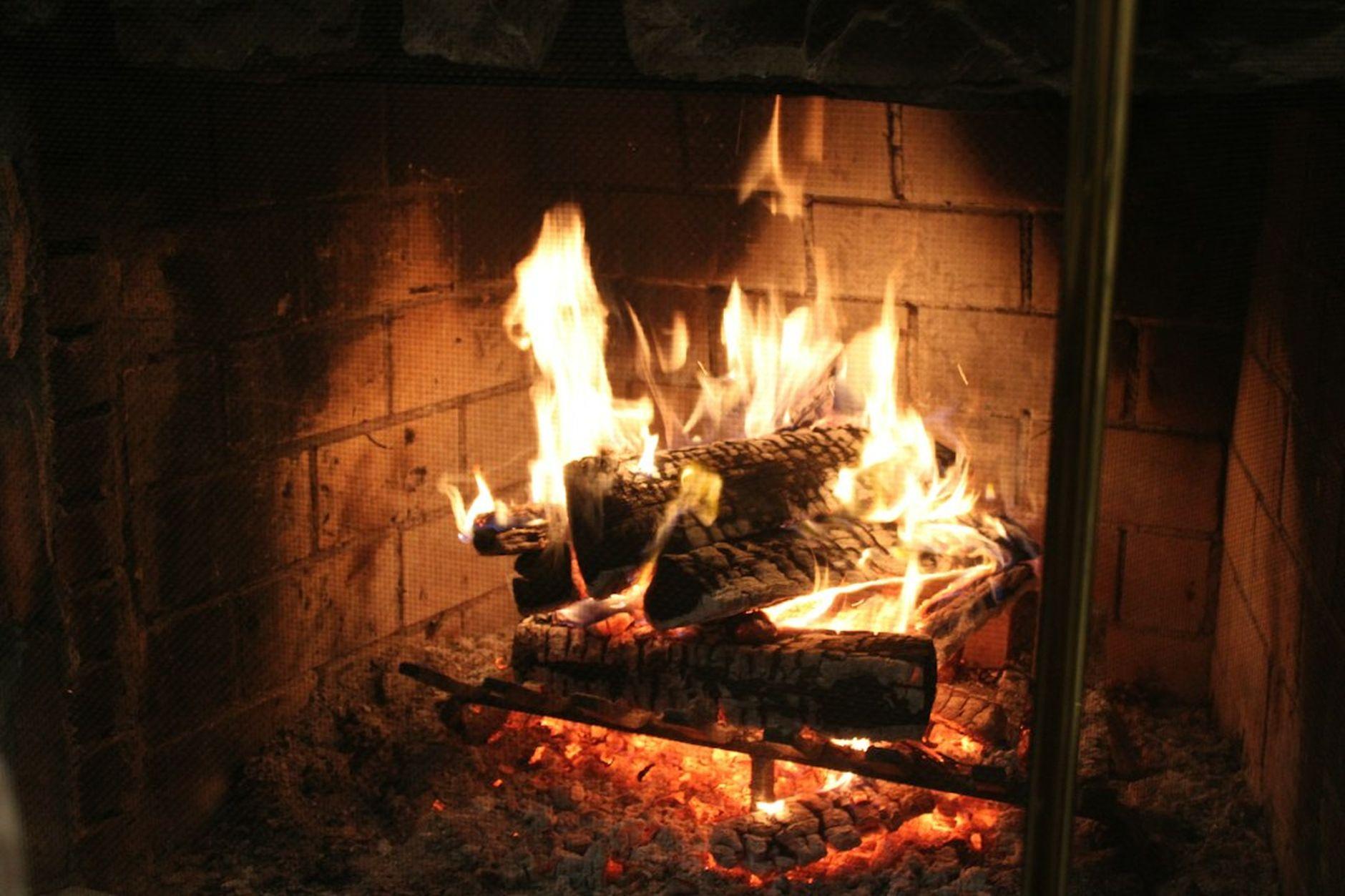
Swapping an open fireplace for an insert, or putting a stove where a fireplace used to be, is one of the most useful clean-air changes a household can make. It is also a change to how the chimney works. An open fire sends a large volume of hot, smoky air up a wide flue. An insert sends a smaller, cooler stream of exhaust up a narrow liner, and it relies on that liner and the chimney around it to carry every bit of it outside. A crack that never mattered to an open fire can matter a great deal to a sealed appliance.
That is why the national chimney standard, NFPA 211, asks for a deeper inspection, which it calls Level 2, whenever the appliance on a flue is replaced with a different kind or the venting is changed. At McCoy Chimney Services that survey is $400, and we treat it as the first line of every insert or stove job in Lakewood and the towns around it.
Why a look from the room is not enough
A Level 1, at $56, is the right check for a fireplace that will keep burning the way it always has. It covers the parts of the system that are open to view from the hearth, the roof and the attic. For a fireplace about to change, that leaves out the part that matters most: the inside of the flue from the smoke chamber to the top.
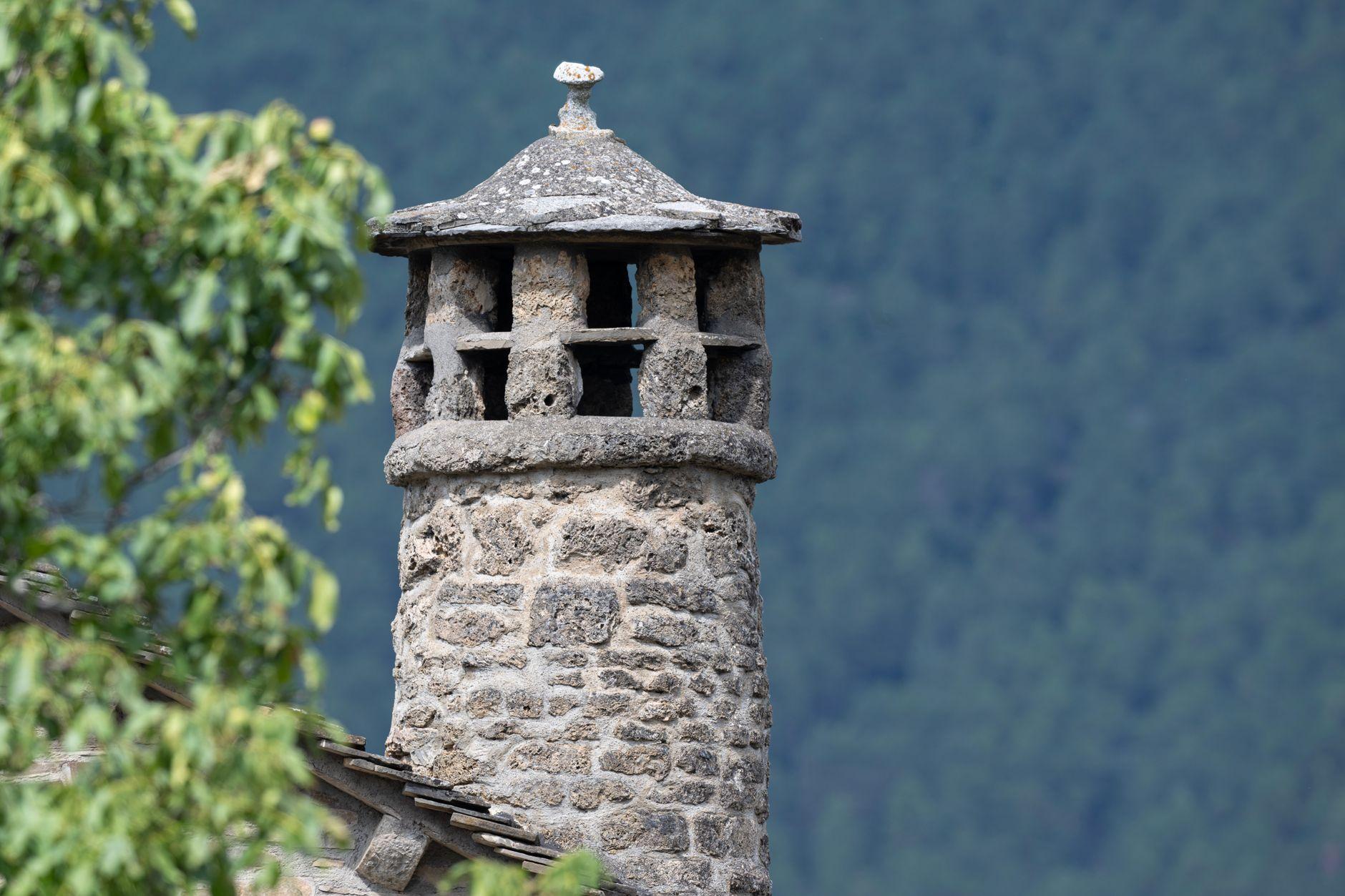
Brick chimneys in our part of Los Angeles County have a long history of shaking. The Whittier Narrows earthquake in 1987 and the 1994 quake both left chimneys around the basin with cracked flue tile and loosened joints that cannot be seen from either end. Decades of open fires add their own wear: heat cracks, mortar washed out of the tile joints, creosote glazed onto the walls. None of it shows to a flashlight.
What we record on the camera run
The survey uses a camera on a flexible rod, fed up from the firebox or down from the top, with a light that shows the tile surface clearly. We record the run and keep the footage with your report. Along the way we note:
- each tile joint, and whether the mortar between tiles is intact or gapped;
- cracks, chips and missing pieces in the tile itself;
- offsets, where the flue bends, and whether the bends are smooth;
- the smoke chamber above the damper and the shape of its walls;
- deposits, and whether they brush out or have hardened onto the surface;
- the top of the flue, the crown around it and the cap.
We also look at the firebox, the hearth in front of it and the clearances to wood trim, because an insert or a stove has its own rules about what can sit close to it.
What the report tells you
You receive a written report with photos and a short summary at the top: whether the chimney can take the appliance you are planning as it stands, or what has to happen first. Most findings fall into one of three groups.
- Ready. The flue is sound, the clearances work, and the insert or stove can go in with its liner.
- Ready after a fix. Something small has to be repaired first, such as a crown crack, a missing cap or a firebox joint. The report lists the repair as a separate line.
- Not suited as built. The flue or chimney needs more work than the appliance is worth, or a different appliance fits better. We say so and explain the choices, which can include a sealed gas unit vented through a wall instead of the old chimney.
What the survey costs and what changes it
The survey is $400 for one flue. A chimney with two flues, such as one serving a fireplace and one serving a furnace or water heater, may need the camera in both, and we tell you before the visit if that applies. If the flue is heavily coated, we sweep it first, from $430, so the camera can see the tile rather than the soot on it.
Book the Level 2 with the form on this page. Name the appliance you are thinking of putting in and roughly when the chimney was last swept, and we set a time for the survey and tell you if a sweep should come with it.
Why we do it before quoting the insert
An insert or stove price without a flue survey is a guess. A gas insert at our company runs $2,850 to $5,750 with its liner, and where it lands in that range depends partly on what the camera finds: a straight, sound flue takes a liner quickly, while an offset flue or a damaged smoke chamber takes more work. A wood insert or stove, which needs a heavier liner, is priced on its own written scope once the survey is done.
Running the camera first also means the install day holds no surprises. Our post on the cost of a fireplace insert sets out the figures, and our page on the Level 2 inspection explains the visit in more depth.
Who receives the report
The person who books the survey receives the report and the footage. If a contractor, a designer or a family member should see it too, give us their name when you book and we include them. The footage stays on file, so if the flue is relined later, we can compare before and after.
Book the survey
Planning an insert or a stove in Lakewood, Long Beach or nearby? Begin on the contact page and we will set up the camera survey and walk you through what it shows.
Want a Price for Your Own Fireplace?
McCoy Chimney Services looks at the fireplace or stove, tests the draft and checks the flue before giving a price. Book through the contact page from Lakewood, Bellflower, Long Beach, Lynwood or a town nearby.