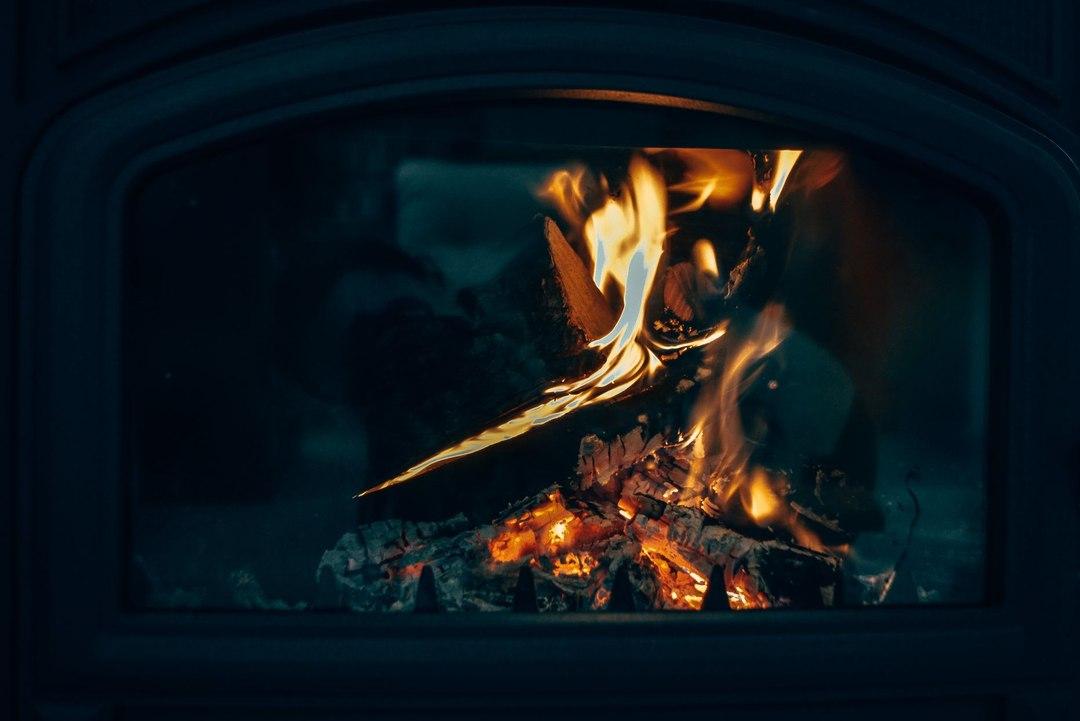
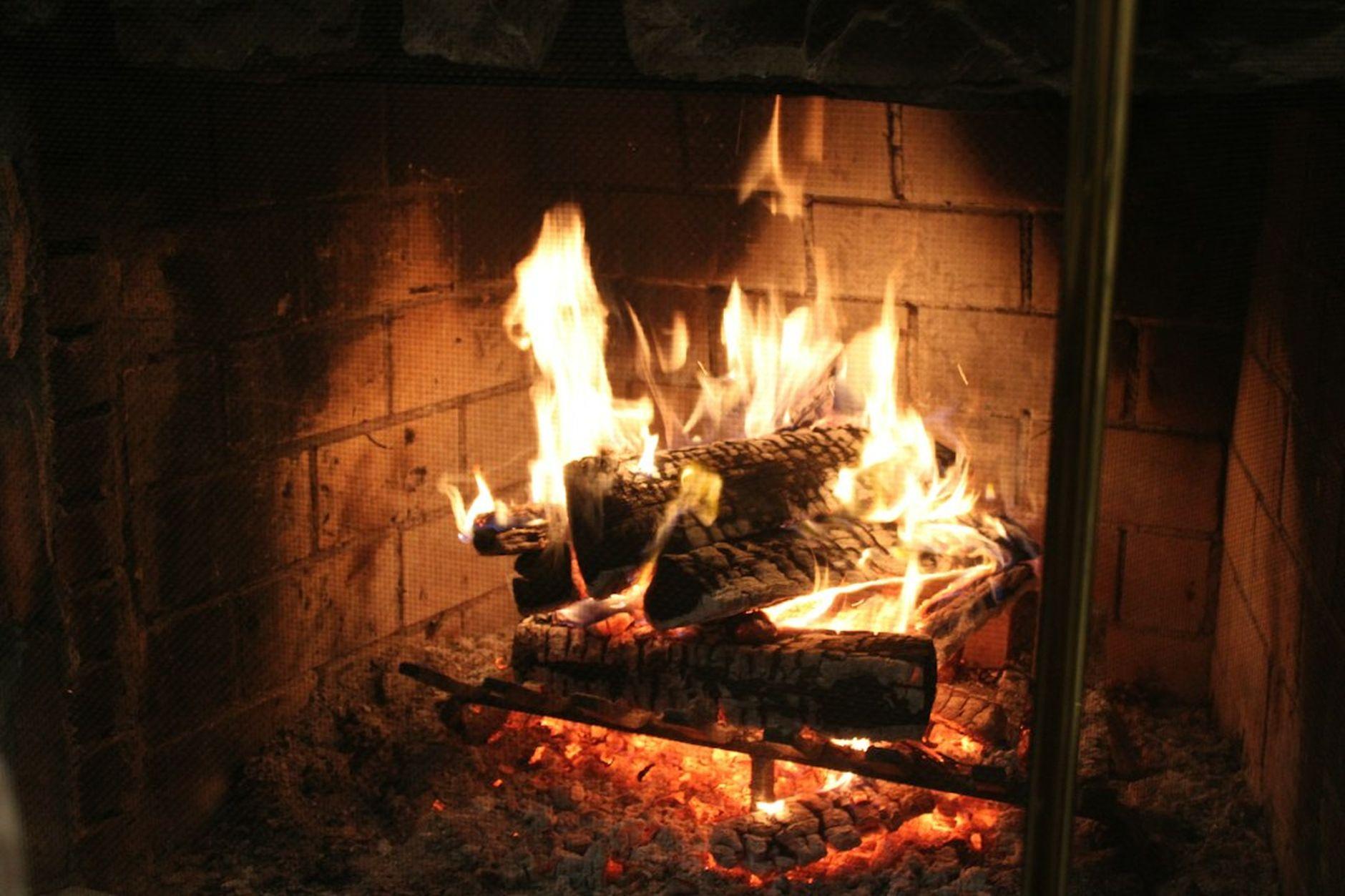
A stove that smokes is telling you where it leaks
A sound wood stove is a tight steel or cast iron box. Air goes in where the maker meant it to, the fire burns hot near the top of the box where the smoke is burned off a second time, and very little leaves the chimney as visible smoke. When a stove starts to puff smoke into the room on loading, blackens its glass within an hour, or roars away hot with the air control shut, the box has stopped being tight. Somewhere air is getting in that should not, or the parts that finish off the smoke have worn out.
That is the reason we care about stove repair as much as we do. A worn stove burns dirtier than it did new, and in Lakewood, where a stove pipe or chimney often stands within sight of three or four other houses, the extra smoke lands on the neighbors as well as on you.
This post is about choosing who repairs it: what a proper visit covers, what the written price should list, and the answers that tell you a crew knows stoves and not only chimneys.
What usually wears out
Most stove repairs come down to a short list of parts, and a crew that works on stoves regularly will name them before they arrive.
- Door and glass seals. The woven seal around the door and the glass hardens over seasons of heat, and the door stops closing tight. Air leaks in, and the fire burns out of control or smokes.
- The baffle and air tubes. Above the fire, most modern stoves have a baffle board and a row of perforated steel tubes that feed fresh air into the smoke so it burns a second time. When the board cracks or a tube burns through, that second burn stops and the smoke goes straight up the pipe.
- Firebrick. The bricks lining the firebox crack and crumble from heat and from logs being dropped in. Gaps behind them let heat reach the steel body.
- The air control. A sliding plate or lever that sticks, or a spring that has lost its tension, leaves the fire either starved or wide open.
- Stovepipe and connector. Rusted pipe sections, loose joints and a poor seal at the wall or ceiling let smoke seep out before it reaches the chimney.
- Catalytic stoves. Some stoves carry a ceramic catalyst in the smoke path. When it clogs or crumbles, the stove smokes and loses most of its clean burn.
What a proper visit covers
A crew worth hiring starts with the chimney or flue the stove vents into, not only the stove. A stove that smokes is sometimes a stove with nothing wrong at all, connected to a flue that is too large, too short, partly blocked or full of deposits. We sweep the flue or look up it first, then open the stove.
At the stove, we check how the door closes with a strip of paper in the seal at several points around it, look at the baffle and air tubes with the fire out, inspect each firebrick, work the air control through its range and look at every joint in the pipe. Where the stove model is known, we look up the parts list so the replacements are the ones the maker specified.
You get a written list of what we found, part by part, with a line for each repair and a price for the whole. If the stove is very old and a part can no longer be bought, the list says that too, and what your choices are.
What decides the price
There is no published figure for stove repair on this site, because two stoves on the same street rarely need the same parts. The written price comes from a few answers.
- Which parts have failed, and whether the maker still supplies them.
- Whether the flue needs a sweep first. A sweep starts from $430 for one flue.
- Whether the stovepipe or wall thimble has to be replaced as well as the stove parts.
- How easy the stove is to reach and work on in its spot.
Ask for a stove repair visit with the form on this page. Give the make of the stove if it is printed on the back plate, and say what it is doing: smoking on loading, black glass, running hot, or refusing to draw. That is enough for us to bring the likely parts.
Questions that sort out a stove crew
These are the answers to listen for when you call around.
- Do you look at the flue as well as the stove? A crew that only swaps parts can miss the real cause.
- Will you name the parts you replaced and where they came from? The answer should be the maker's parts or a match to its specification.
- Do I get the findings and the price in writing before work starts? Anything less leaves you arguing about the bill.
- Will you tell me if the stove is not worth repairing? An honest crew says so when the body is cracked or the parts no longer exist.
Repair or replace
Sometimes the right advice is a new appliance. An old stove built before the current EPA smoke limits may run cleaner with new seals and bricks, but it will never match a modern unit. When a repair would cost a large share of a new stove, or the body itself has cracked, we say so plainly and show the figures side by side. If you are weighing the change, our post on the cost of a fireplace insert covers the closed-box options.
Remember that wood stoves fall under Rule 445 just like open fireplaces. On a winter day when the South Coast district bans wood burning, the stove stays cold, however clean it burns.
Where we work
We repair stoves across Lakewood, Lynwood, Bellflower and Long Beach. Our wood stove repair page lists the work in more detail.
Book the visit
If your stove has started smoking or running wild, the contact page is the place to start, and we will arrange a time to look at the stove and the flue together.
Want a Price for Your Own Fireplace?
McCoy Chimney Services looks at the fireplace or stove, tests the draft and checks the flue before giving a price. Book through the contact page from Lakewood, Bellflower, Long Beach, Lynwood or a town nearby.